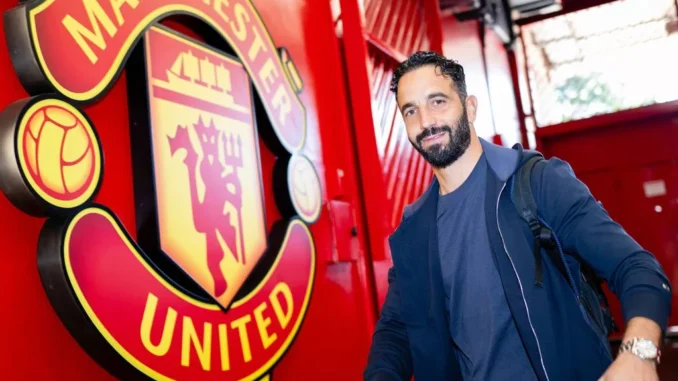
Rumours of a potential new investor at Manchester United have resurfaced, with several decisions on the pitch and off the pitch potentially being impacted by any takeover
Matthew Abbott is a US sports writer covering all things American sports. He frequently writes about the NFL and is particularly interested in the NBA. Matthew previously worked as a Sports Club Reporter at the Manchester Evening News in the UK and as a football writer. If you think you have a story on US sports, get in touch by emailing matthew.abbott@reachplc.com or contact them on Twitter @MattAbbott_.
Manchester United takeover speculation resurfaced during the October international break. Rumours regarding Middle Eastern investment are hardly new – Sheikh Jassim bin Hamad al-Thani had attempted to acquire the club entirely before Sir Jim Ratcliffe’s Ineos invested £300million in the club last year.
However, US Securities and Exchange Commission (SEC) documents reveal that the Qatari banker was unable to demonstrate proof of funds. Eighteen months later, Saudi government official Turki Al-Sheikh declared: “United is now in an advanced stage of finalising a deal to sell to a new investor.” However, he subsequently clarified that the investor isn’t himself and does not hail from Saudi Arabia.
Claims of interest from a United Arab Emirates-backed consortium have similarly stoked takeover speculation surrounding the club. Such investment would have a dramatic impact both on and off the field, just as it did when Ineos became a joint owner and with that in mind, Mirror Football looks at five developments that might unfold following any prospective buyout.
Debt decision
Fresh investment could render the club debt-free once more for the first time since the Glazers’ acquisition. Current borrowings surpass £750million, approaching record highs.
If a wealthy consortium were to clear those debts, United could save on servicing costs and increase their chances of profitability after years of significant losses. That would also help them comply with the Premier League’s profitability and sustainability (PSR) rules, allowing them to be more competitive on the pitch by increasing spending on transfer fees and wages.
Future transfers
Should any investment have arrived before the summer transfer window closed, Carlos Baleba might already be a United player. Brighton & Hove Albion reportedly demanded £100million for the midfielder, causing United to hesitate over a deal for the Cameroon international.
Leave a Reply